
Many years ago, I watched as my group of learners dashed around the training room collecting bits of Minifigures and rummaging through the pots of LEGO accessories to work out which pieces best suited their style of management. I congratulated myself on inventing such a great activity… and questioning why weren't more of my peers using LEGO bricks in their learning sessions too?
I took to social media to share, after all that's what we do in Learning and Development... we share. I announced to the world I'd come up with a great activity using LEGO bricks and everyone should try it.
Turns out, many people already were!
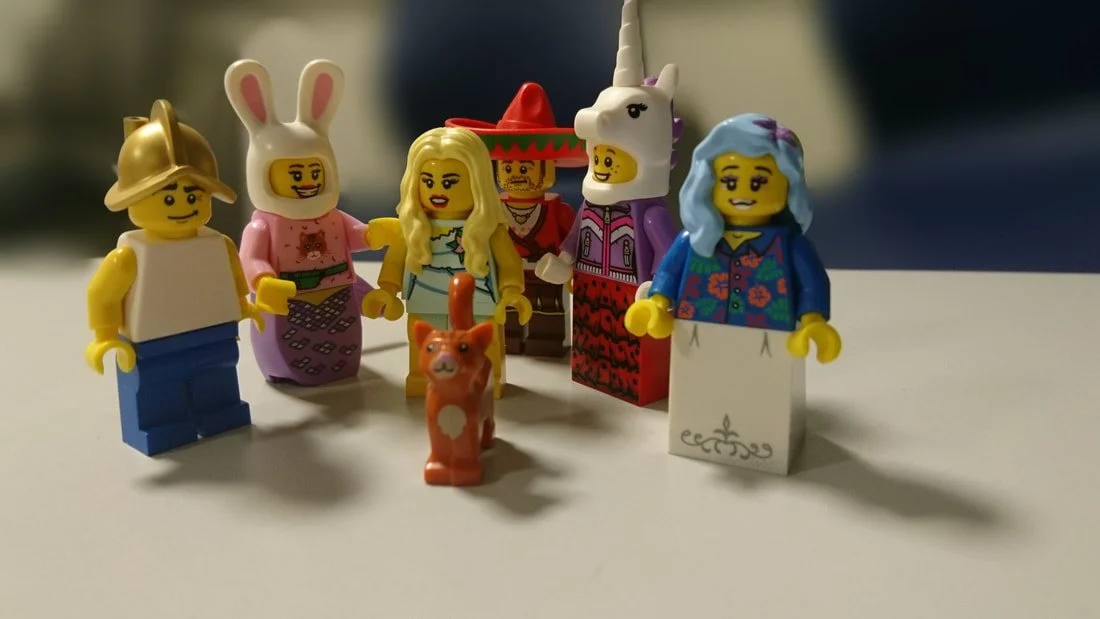
After a short period of slight dejection! (I wasn't the genius I thought I was!) I realised this was actually a good thing. More people, means more ideas! So, I went on a hunt to find out more, and that's when I realised there were vast communities, all over the world, and they were all talking about something called LEGO® Serious Play®!
So, I took a deep dive into this world of LEGO® Serious Play® (LSP)... And according to many websites at the time, it looked like I needed to attend a rather expensive programme and become certified. It all looked rather more ‘serious’ than ‘play’, so at that point I simply carried on with my own version and found myself calling it ‘Learning with LEGO’ instead.
Fast-forward to now, I’ve done a lot more research into both LSP and using LEGO in learning and thought I’d jot down a few notes about what the differences are.
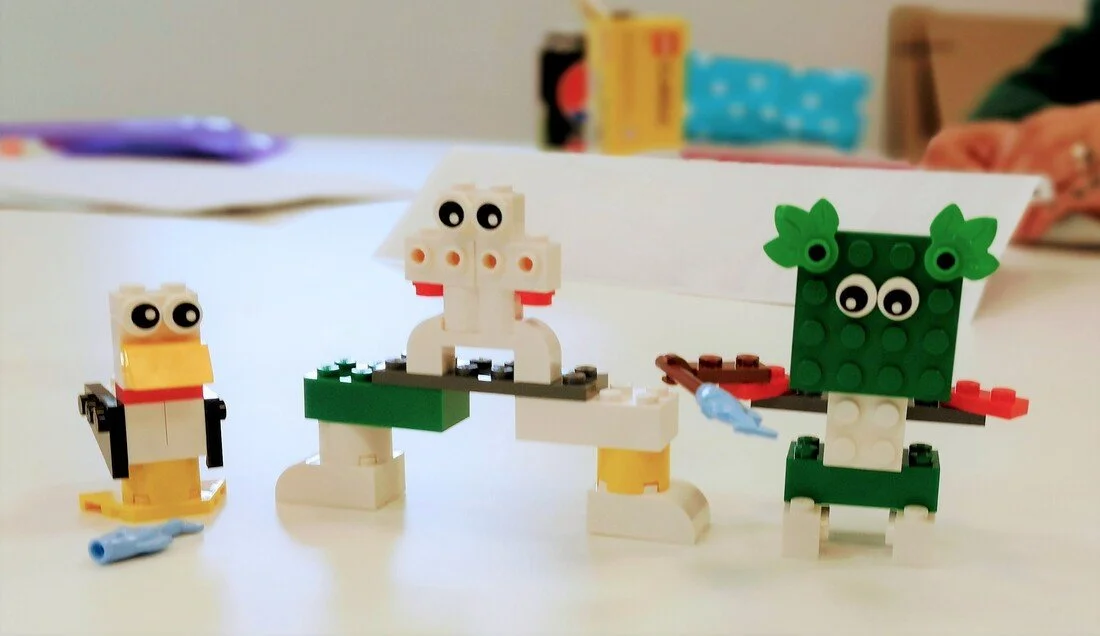
So, what is the main difference between Learning with LEGO bricks and LEGO® Serious Play®?
Well… the way I describe it is like this:
Learning with LEGO bricks: Activities which uses LEGO bricks to help learners engage in a topic or a discussion.
LEGO® Serious Play®: A methodology which uses a series of facilitated iterative steps to build a deeper conversation.
Let’s dig a little deeper shall we…
Example of a Learning with LEGO bricks activity:
Let’s imagine you’re running a workshop for new managers, and you want them to think about what’s involved in being a people manager.
Get your learners to take a piece of paper and divide it into 6-8 sections.
Then ask them to consider the role of a manager and choose LEGO bricks that might represent their answer and place them in each section.
Example: A brick that looks like a crown may represent extra responsibility for people in the team etc.
Then get them to share what they chose and why.
Continue the conversation in the session.
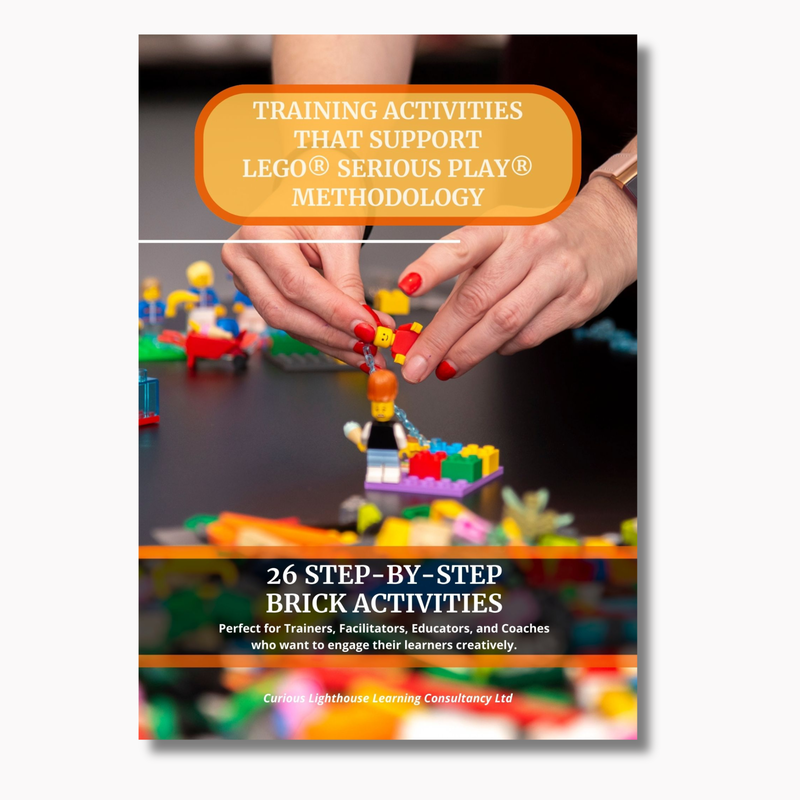
Want more ideas for using LEGO® in learning? Check out: Training activities that support LSP methodology (An 80-page Digital Download)
Example of a short LSP session:
Let’s take that same idea of working with a set of new managers, and you want them to think about what’s involved in being a people manager.
You’d start off with a skills building activity. This gets them used to handling the bricks and assigning meaning to them.
Then, you might ask them to build a model that represents a great people manager. (This may be based on a great manager they have had in the past, or completely made up.)
Each person shares their model and what it represents.
Then, you could ask them to build a shared model that represents a great people manager. They’d use their original model to help create this landscape and collaborate to come up with the answer.
The team would then share their narrative.
Further steps could be taken to look at other elements such as what skills are required, what are the challenges in being a great manager etc. Each time the answer is built, shared, and added to the shared model.
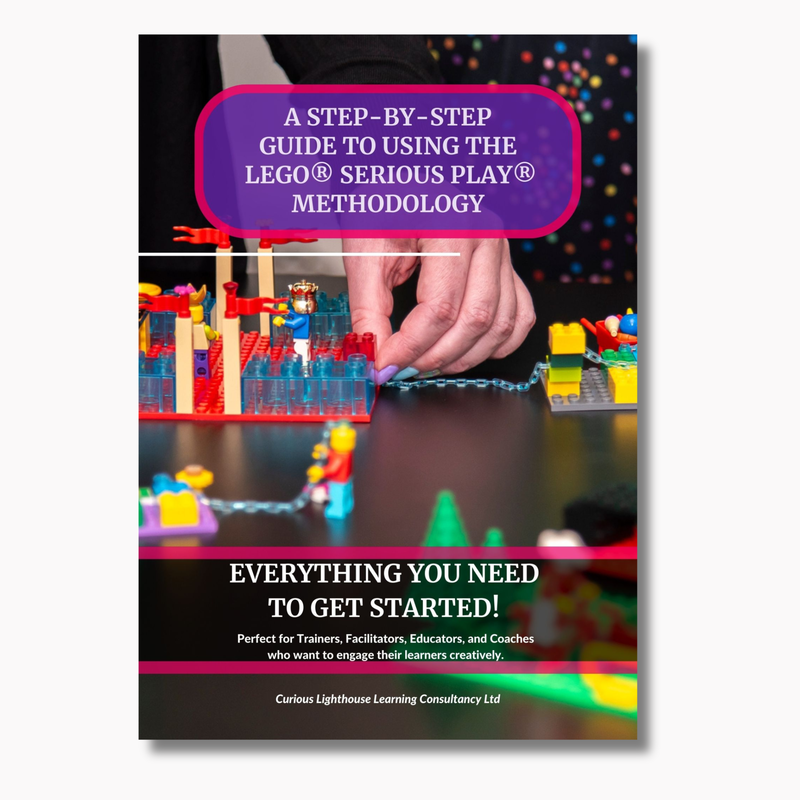
Want to find out more? Check out: A step-by-step guide to using the LSP methodology (A 56-page Digital Download)
Questions about using LEGO
Do you have to be certified to host Lego® Serious Play®?
NO! In a nutshell. This was very confusing for me when I first found out about LSP. I have many professional qualifications in L&D and thinking that I had to spend thousands of pounds to learn how to facilitate (which I could already do,) was a big turn off. LEGO® originally did have certification programmes but in 2010 they made the whole thing open source, meaning anyone can run a LSP session if they follow these guidelines and have the facilitation skills to do so.
Do I need to use special bricks?
No. There are some sets that carry the LEGO® Serious Play® name, and I really like the starter sets. But you do not need any special bricks.
Why use LEGO bricks in Your Training, Facilitation, or Coaching Session?
The process of making something, which is then discussed, can lead to much more valuable, insightful and honest discussions than simply posing a question and expecting everyone to have an input. Imagine using this in your training, facilitation or coaching sessions, where normally quieter participants often don't share their inner thoughts, and extroverted participants forget to reflect!
Where can I find information about Lego® Serious Play® and Learning with LEGO bricks.
I’d start with the Open-source doc then the two guides highlighted above.
And, if you’re based in the UK and are looking for a hands-on approach, then check out the One-day Workshop - Introduction to LEGO® Serious Play®
Happy onward LEGO adventure!
Hi I'm Nikie Forster. Thanks for taking the time to read this blog and find out more about LEGO and how it can be used in a learning environment. Want to find out more? Head on over to www.curiouslighthouse.co.uk